Friday, October 28, 2016

Early November Specialty Events at Sei Bella Med Spa


Filler Friday 
Nov 4th
10 am-2 pm

BellaFill is a unique filler that lasts at least 5 years. I am a national trainer for BellaFill and have been injecting it for years. On Filler Friday you can purchase 3 syringes and get 1 free or purchase 6 syringes and get 2 free! Bring a friend and split 6 syringes!

                                                              I will also have Dysport on special for $4/unit that day.


Kybella Event
Monday, Nov 7th
4:30-6:30 pm

Do you hate your double chin? You can get rid of it permanently with Kybella! It's quick! It's simple!
Buy 1 vial get a second vial half price or buy 2 vials get 1 vial free!

                                                     I love MY results!


Ultherapy Brow Lift Day
Friday, Nov 11th
9 am-4 pm

Ultherapy is the only FDA approved, non-invasive device for lifting. We have a brand new protocol for brow lifts that offers amazing results! I want you try this out! We have 24 slots on Nov 11th and the first 24 people to book and pay get a brow lift for $250 (that's a $500 savings!)

Call ASAP! 501-228-6237


Looking forward to seeing all of you for these special, procedure-focused events!
Anne R Trussell MD
owner/physician
501-228-6237


#kybella #dysport #bellafill #ultherapy #browlift #antiaging #doublechin #submentalfat #crowsfeet #frownlines #foreheadlines #nonsurgicalfacelift #PMMA #smilelines #marionettelines 

Sunday, October 23, 2016

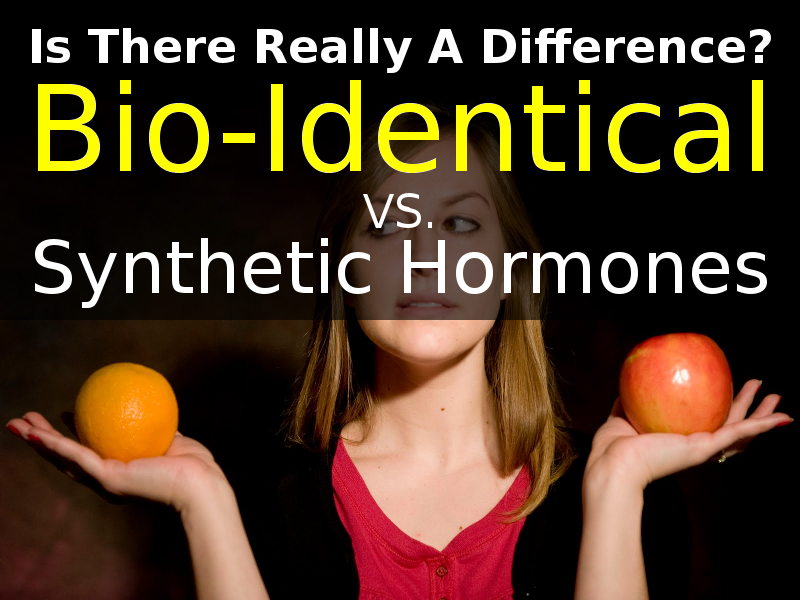
Synthetic vs. Bio-identical Hormones


Bio-identical hormones are exactly the same molecules as the hormones we used to produce. Synthetic hormones are similar but have a different chemical structure than our naturally occurring hormones and bio-identical hormones as you can see in the picture above.  Synthetic hormones can cause unpleasant and even life-threatening side effects because they interfere or block proper hormone receptor function in our bodies.


Let's talk about progesterone......
Progesterone is very active and beneficial for breast tissue because it blocks estrogen stimulation of the breast, thereby decreasing breast cancer and breast cancer risk. It prevents the lining of the uterus, the endometrium, from overgrowing and becoming cancerous. Surprisingly, progesterone also decreases the risk of heart disease and helps protect your bones to some extent.

Now let's go over progestins (synthetic progesterone)......
Progestins are a class of progestogen compounds synthesized to act like progesterone does in the body. They DO NOT however reproduce the same actions of natural progesterone in the body. Provera or medroxyprogesterone when added to estrogens will prevent overgrowth of the uterine lining, but it can cause an increase in breast tissue proliferation and cause cancer due to estrogen receptor stimulation. This is why the Women's Health Initiative Study that I mentioned in my last blog was halted early. Women taking synthetic progestins, had a much higher rate of breast cancer than those who did not take them. Synthetic progestin does not protect the heart either.


The dangers of synthetic hormones have been discussed in medical literature for years. In 2007 the lead article in The Journal of the Federation of American Societies for Experimental Biology, stated "There is a crucial difference in the way bio-identical progesterone and synthetic progestins affect the androgen receptor". (E. Friedman). In 2008 the E3N Cohort Study reported on 80,377 women that had been followed for 8.1 years.This study verified that hormone replacement therapy using medroxyprogesterone (Provera) was dangerous and resulted in a 48% increase in the rate of invasive breast cancer compared to the control group! But possibly more importantly, they confirmed that bio-identical hormone replacement therapy does not increase the risk of invasive breast cancer.

Going back to 2005 a meta analysis of 196 studies concluded that: "physiologic data and clinical outcomes demonstrate that bio-identical hormones are associated with lower risks, including the risk of breast cancer and cardiovascular disease, and are more efficacious than their synthetic and animal-derived counterparts. Until evidence is found to the contrary, bio-identical hormones remain the preferred method of hormone replacement therapy."

I hope this blog has touched sufficientlyon the need to avoid synthetic hormones, and in this case synthetic progesterone (progestins, Provera, medroxyprogesterone, and many others). Bio-identical hormones are preferred, hands down. #progesterone #htca #bhrt #bioidentical #menopause


Anne R Trussell MD
owner/physician
Sei Bella Med Spa
501-228-6237

Literature sources:
Anderson, Carl W., and Ettorre Apella 2005, Postranslational modification of p53: Upstream signaling pathways. In the p53 Tumor Suppressor Pathway and Cancer, New York

Fournier, Agnes, Franco Berrino, and Francois Clavell-Chapelon 2008. Unequal risks for breast cancer associated with different hormone replacement therapies: E3N Cohort Study. British Cancer Research and Treatment 107 (1):103-11

JAMA 2002;288(3):321-333

Sunday, October 16, 2016

Menopause and Safe Hormone Replacement


Everyday 3500 women enter menopause. Natural menopause usually occurs between the ages of 43 and 55, which means we could live half our life in menopause! Our hormone levels can start dropping 15 years before that, so we should not wait until we actually stop having menstrual cycles to seek treatment. And 20% of men are in andropause by the age of 50. The symptoms are not fun!! During this pandemic, the inability to go about our daily routine adds increase stress to our lives and can actually make our symptoms worse.

Menopause impacts 25 million women worldwide each year. We all know the symptoms.....hot flashes, night sweats, mood swings or depression, sleep problems, fatigue, brain fog and no sex drive. Those are just the ones I hear most commonly. Menopause is also associated with an increased risk of cardiovascular disease, dementia, and osteoporosis. Men with low testosterone have the same risks and experience fatigue, depression, moodiness, loss of muscle mass, erectile dysfunction and low libido.

We need estrogen! It has 400 functions in the female body. Estrogen deficiency is a state of accelerated aging.  In a 2013 study, researchers estimated that over the past decade 18,600-91,600 postmenopausal women, ages 50-59 who have had hysterectomies may have died prematurely because they were not given estrogen!

WHY NOT?!


Well, in 1991 a large trial called the Women's Health Initiative was begun by the U.S. National Institute of Health. The study was stopped early due to a 41% increase in stroke, 29% increase in heart attacks, 26% increase in breast cancer and a 100% increase in the rate of blood clots. So all doctors were cautioned about hormone replacement in menopause, and to use the lowest dose possible to control symptoms and to only continue treatment for 5 years at the most. There were HUGE flaws in this study. The estrogen being given to women was synthetic, made from pregnant horse urine. These compounds have about 40 different estrogens, none of which bind to the estrogen receptors in our body correctly. Furthermore, some of these women were treated with artificial progesterone as well (progestins or medroxyprogesterone). Women on these synthetic progesterones had the highest rates of breast cancer. If you're taking synthetic hormones, then you are exposing yourself to these risks. Just because they are FDA approved, doesn't mean they are safe!


Fortunately we have very safe, effective and convenient alternatives to synthetic hormones. Bio-identical hormones are not only "natural"; bio-identical means they are EXACTLY like the hormones we used to produce. They bind to our bodies' hormone receptors EXACTLY like the hormones we used to produce. They DO NOT increase our risk of cancer, stroke, blood clots nor heart attacks. As a matter of fact, bio-identical hormones are protective against these things! Specifically testosterone replacement does not cause prostate cancer in men! The French Cohort Study published in 2002 followed 3,175 postmenopausal women taking bio-identical hormones for 9 years, proving there was no increased risk of breast cancer. There are many more studies out there proving the same facts. Most of us have heard about bio-identical creams, which are very safe. Bio-identical hormone pellets are another safe, effective, convenient alternative I provide at Sei Bella Med Spa! I personally have been getting pellets for almost 7 years. I love them! 


The process is simple. You come in for an office visit with me and I take a complete medical history. You have a panel of lab drawn. When that lab is available in about a week, it is entered into the HTCA computer formula, along with your medical history and symptoms. A dose of hormones is then generated which I can adjust as I need to. The prescription is then sent to Well's Pharmacy who then ships your pellets to you that have been calculated specifically for you. The pellets, which are the size of a grain of rice and smaller, are then inserted by me into the fat of your bottom in a quick, painless in-office procedure. It truly takes all of 2-3 minutes to insert them. Your pellets will last 4-6 months and gradually dissolve. When symptoms return, you know it's time to tell me you are ready to be repelleted. Bio-identical hormone pellets are safe, convenient and effective, not to mention healthy! And although this blog has mostly focused on menopause, pellets are very popular in men as well!

You can read more on my website at www.seibellamedspa.net.
Give us a call today and get your appointment set up to start feeling better. 501-228-6237

Anne R Trussell MD ABAARM
owner/physician
Sei Bella Med Spa

#menopause #andropause #bioidenticalhormones #bioidenticalpellets #bhrt #htca #lowT #hormonepellets #hormonereplacementtherapy

Literature sources:
de Lignieres, B., et al "Combines hormone replacement therapy and the risk of breast cancer in a French cohort study of 3175 women." Climacteric, 2002 Dec; 5(4):332-40

Friedman, 2013

Bain J, Maturitas 2010; (66):16-22 Kaufmann JM, J Clin Endocrinol Metab 2001;26:833-78

North American Menopause Society

Birge,S, "The use if estrogen in older women," Clini Geriatr Med 2008: 19(3):617-27

Studd, J.W.W., Cardozo, L.Stanzyck, & Thom

Sarrel, et al, "The mortality toll of estrogen avoidance: An analysis of excess deaths among hysterectomized women aged 50-59 years." American Journal Public Health 2013: July 18

Tuesday, August 23, 2016

Let's Review Hypothyroidism


I've talked about hypothyroidism in the past, but I thought now would be a good time to review this again. I see hypothyroidism and subclinical hypothyroidism frequently. Some people I've diagnosed through their HTCA lab work when working them up for bio-identical hormone pellet replacement therapy. Some I've picked up on when they come in for their aesthetic treatments and happen to mention common symptoms like weight gain, hair loss and fatigue.


I had an internal medicine practice for 20 years and thought I was doing a great job managing hypothyroidism (underactive thyroid). Afterall, I have hypothyroidisim myself. I was always taught that TSH and T4 were all the labs you needed to screen for hypothyroidism. If they were normal and the patients didn't feel well then they were probably depressed or just needed to follow a better diet and exercise regimen. Since becoming a Diplomate of the American Academy of Anti-Aging Medicine, I now know TSH (the pituitary hormone) is not the most sensitive test. A patient's free T3 (active thyroid hormone) is the best clue as to whether or not he/she has hypothyroidism. And most importantly we want hormone levels to be "optimal" not just in the "normal" range. 


There are multiple causes of hypothyroidism, but for the purposes of this blog, let's focus on the ones I see most commonly which are primary hypothyroidism (thyroid failure) and conversion failure of T4 (inactive pro-hormone) to T3 (active hormone). Primary hypothyroidism is pretty straight forward. The thyroid basically poops out. This can be do to an autoimmune process like Hashimoto's thyroiditis, radiation treatments, or just general aging. A number of different factors can impair conversion of T4 to T3 and these include:
  • Physiological factors: old age or significant calorie restriction with dieting
  • Certain medications:  Amiodarone, steroids, beta blockers and synthetic progestins (by the way.... I HATE synthetic hormones)
  • Pathological factors: kidney or liver disease, malnutrition, increased cortisol, post surgial recovery
  • Vitamin deficiencies: Zinc, Selenium and Iodine are essential to normal thyroid function.
Hypothyroidism can also be caused by failure of thyroid receptors on organs in the body to actually take up thyroid hormone. This is often seen in adrenal fatigue. Different topic for a future blog.


In the 1920's it's estimated that about 10% of the population was hypothyroid. By 1940 that doubled to 20% and increased again in 1976 to approximately 30%. Dr. Jacques Hertoghe, a pioneer in thyroid endocrinology has estimated that by 1990 about 80% of the population had some degree of hypothyroidism. Because of all the genetically modified foods, chemicals, stress, medications and synthetic hormones we are exposed to these days, that estimate is probably pretty accurate.

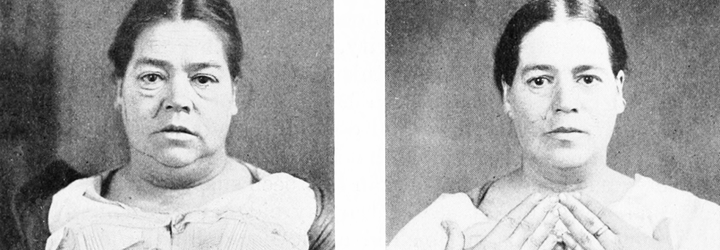
Symptoms of hypothyroidism are depicted in the photos above and also include fatigue, weight gain, cold all the time, constipation, hair loss, and brain fog to name a few. Some symptoms are very similar to those of menopause and andropause. So how do we diagnose hypothyroidism? A good history and physical exam of the patient is always the place to start. After that, some or all of the following labs are indicated.....TSH, T4, free T3, rT3, and TPO antibodies. This is a good place for clinicians to start. Again, we want "optimal" levels, not just "normal". How a patient feels should be the main driver of treatment. Of course we use lab to make sure we do not make someone artificially HYPERthyroid which can have adverse effects on the body, too.

There are multiple medications used to treat hypothyroidism. Most well known is probably Synthroid (or its generic levothyroxine). Synthroid is predominantly T4. I personally prefer Naturethroid, WPThyroid or Armour Thyroid. I take NatureThroid myself. It comes in 13 different doses, is hypoallergenic and is a combination of T3 and T4. I like to have T3 on board first thing in the morning and then the T4 that remains can convert to active T3 through the rest of the day. WPThyroid is for patients with gluten sensitivities. All three are made from dessicated pork thyroid. Often patients will notice that they feel significantly better on one preparation or another. Regardless of which preparation of thyroid medication you take, I prefer brand name medication. Since generics can vary by 20% from brand name, that could be a big swing month to month in your metabolism and how you feel. If however you take a generic preparation and feel fine from month to month, then by all means continue with that cost savings. It's beyond the scope of this particular blog, but thyroid hormones can also be compounded with any strength and percentage of T4 and T3 a doctor wants to prescribe. 


And just as a side note....your fur babies can become hypothyroid, too. So if they are fat and lethargic and you haven't been feeding them junk, you might want to ask your vet to check their thyroid. But it's not just about being overweight or fatigued. Optimal thyroid function improves so many aspects of our body, not just the ones we can see and feel. It helps lower cholesterol, improves congestive heart failure by helping the heart pump better, decreases inflammatory markers like C-reactive protein and homocysteine, and helps protect the bones from osteoporosis.

This is just a brief overview of hypothyroidism. Many, many textbooks are devoted entirely to the thyroid and its diseases and metabolism. Think you might be hypothyroid? Give us a call.

Anne R Trussell MD ABAARM
owner/physician
501-228-6237

Wednesday, August 17, 2016

Sculpsure Results From Sei Bella Med Spa


Recent photos from Sei Bella patients. 
www.sculpsureoflittlerock.com
501-228-6237


50 year old female after one treatment of Sculpsure
                                                             

54 year old male 6 weeks after one treatment of flanks and lower abdomen.
4 inches lost with SculpSure
#sculpsure #fatloss #bodycontouring #flanks #backfat

SculpSure Open House


SculpSure Open House!
Do you have stubborn areas of fat you can't get rid of despite diet and exercise? SculpSure is for you!  Sculpsure is a comfortable, 25 minute treatment, FDA approved for PERMANENT fat loss. No surgery. No down time. No more squeezing and freezing!!
Join us on Thursday, September 15th!
4-7pm

Sei Bella Med Spa
10310 West Markham Suite 202
Little Rock, Arkansas 72205

We will have door prizes and the first 10 people to arrive receive a special gift bag!

Refreshments will be served!

We will also have our Galderma and Skin Therapeutics reps on hand that evening with specials for you on Dysport, filler and skincare!

#sculpsure #fatloss #bodycontouring